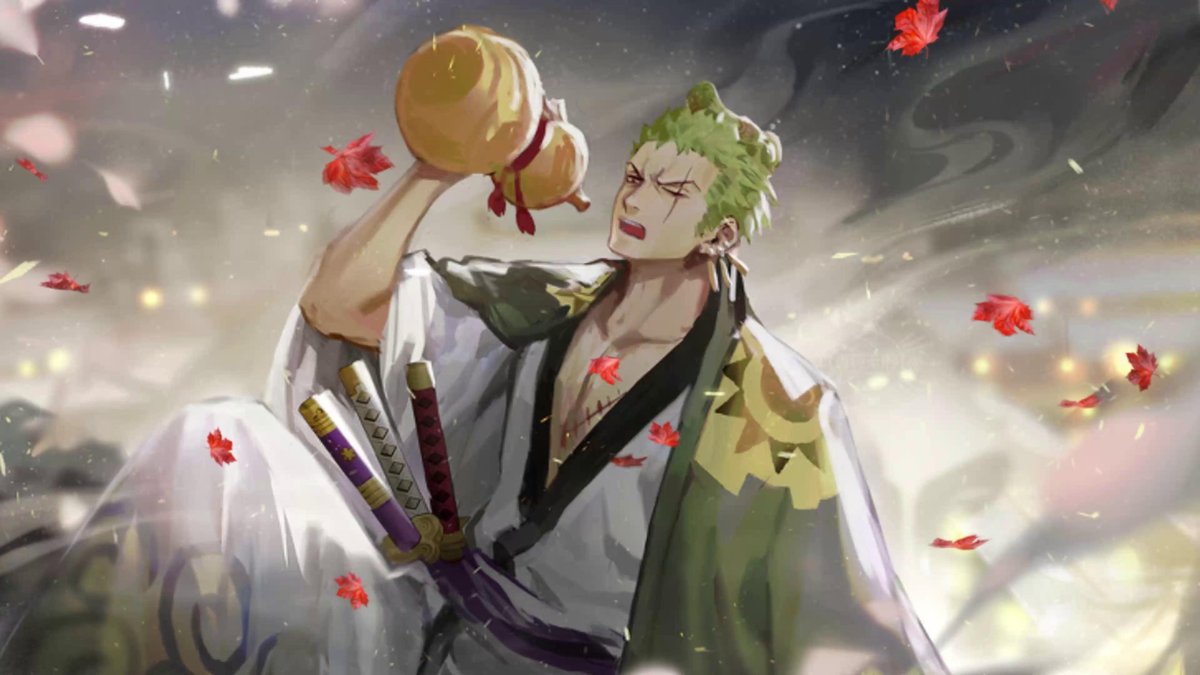
Ever found yourself pondering a world where Roronoa Zoro, the legendary pirate hunter from One Piece, stepped onto the football pitch of Blue Lock? While a literal crossover remains a dream for many fans, the connection between these two powerhouse narratives is a surprisingly common and intriguing discussion point. It’s less about a physical presence and more about the profound philosophical and psychological parallels that make this comparison so compelling.
At its core, "Roronoa Zoro in Blue Lock" isn't about fan fiction; it's about recognizing the shared spirit of ambition, relentless self-improvement, and an almost terrifying ego that drives both Zoro and the radical project of Blue Lock. You're not alone if you see echoes of Zoro's indomitable will in the intense, goal-obsessed strikers vying to become the world's best. This super pillar hub is your definitive guide to understanding exactly why this thematic bridge exists, and what it tells us about the power of singular focus.
The Unmistakable Echo: Why Fans See Zoro in Blue Lock's Philosophy
The Japanese Football Union's "Blue Lock" program, spearheaded by the enigmatic Ego Jinpachi, has one radical goal: to dismantle the concept of "loser football" by forging the "world's greatest egotist striker." This isn't about teamwork or camaraderie; it's about individual brilliance, a ruthless pursuit of goals, and the unshakeable belief that you are the only one who can score. Doesn't that sound familiar?
Roronoa Zoro, the Straw Hat Pirates' first mate, embodies this ethos perfectly. His entire existence is predicated on becoming the world's strongest swordsman, a goal he pursues with singular, unyielding determination. He doesn't compromise, he doesn't back down, and he doesn't allow anything to deter him from his path to greatness. It's this shared psychological blueprint – an absolute, unwavering commitment to a personal summit – that forms the bedrock of the "Zoro in Blue Lock" phenomenon. To grasp the full scope of Ego Jinpachi’s revolutionary vision and how it mirrors individual ambition, you'll want to explore Blue Lock's Radical Philosophy: Ego Jinpachi's Vision.
The Forge of Greatness: Relentless Training & Self-Improvement
Both Blue Lock and Zoro's journey are defined by an almost masochistic dedication to training and self-improvement. In Blue Lock, 300 young forwards are subjected to a prison-like regimen, constantly pushing their physical and mental limits to unlock their unique "weapons" and evolve into ultimate goal-scoring machines. From brutal physical challenges to strategic battles that force rapid adaptation, every moment is a test.
Zoro's training regimen is no less intense. He's often seen lifting impossible weights, enduring punishing sparring sessions, and pushing his body to the brink. His famous saying, "When you decide to sail the seas, you face your own death on the waves," reflects his absolute commitment to continuous growth, even if it means risking everything. This shared philosophy of self-sculpting through sheer grit and an unshakeable will to get stronger is a fundamental link. For a deeper dive into how our favorite swordsman hones his skills, consider reading Roronoa Zoro: The Path to the World's Greatest Swordsman.
Specialization and the "Weapon": Mastering One's Unique Skill
In Blue Lock, every player is encouraged to identify and refine their "weapon" – a unique skill that makes them an unstoppable force on the field. Whether it's Isagi's spatial awareness, Rin's precision, or Nagi's trapping ability, specialization is key to survival and dominance. The program isn't about being a jack-of-all-trades; it's about being the absolute master of one crucial aspect of the game.
Zoro embodies this principle flawlessly. His "weapon" is his swordsmanship, specifically the Three-Sword Style. He doesn't dabble in other fighting forms; he dedicates every fiber of his being to perfecting his blade work, transforming himself into an unparalleled force. His unwavering focus on his chosen path, despite its inherent dangers, mirrors Blue Lock's demand for ultimate specialization. Understanding the diverse "weapons" of Blue Lock's top players can further illuminate this comparison, so check out The Arsenal of Blue Lock: Unveiling Each Player's Unique Weapon.
Mental Fortitude and the Indomitable Spirit
Beyond physical prowess, both Zoro and the successful Blue Lock strikers possess an extraordinary mental fortitude. They face adversity head-on, treating every setback as a stepping stone. Zoro's ability to endure unimaginable pain, sacrifice, and even humiliation (like bowing to Mihawk to learn swordsmanship) for his goal is legendary. He gets lost, he gets injured, but his eyes never leave the prize.
Similarly, Blue Lock demands an unbreakable spirit. Players are constantly pitted against each other, facing elimination, doubt, and overwhelming pressure. Only those with the mental toughness to push through, maintain their ego, and focus solely on the goal can survive and thrive. This psychological resilience is a defining trait that binds Zoro to the core ideals of Blue Lock.
The Aura of an Egotist: Presence That Commands Attention
While Blue Lock doesn't feature literal "Haki," there's often a visual and metaphorical "aura" surrounding its most formidable players. When a striker enters their "flow state" or unleashes a powerful shot, an intense energy or visual metaphor often envelops them, signifying their overwhelming presence and ego.
Zoro, too, is known for his intense aura. When he gets serious, his opponents often describe a chilling presence, sometimes even imagining demonic figures behind him. This powerful, almost palpable manifestation of his intent and will is a visual shorthand for his sheer power and unshakeable resolve. Both series utilize this concept of an overwhelming presence to signify the absolute peak of individual ambition and skill.
Beyond the Field: The Enduring Allure of the Egotistical Champion
The fascination with "Roronoa Zoro in Blue Lock" goes beyond mere thematic connections; it speaks to a universal admiration for characters who dare to be truly great, who prioritize their personal ambition above all else, and who possess the iron will to see it through. Whether it's wielding a sword or scoring the perfect goal, the journey of an "egotistical champion" resonates deeply with audiences. They remind us of the power of having a dream, no matter how audacious, and the relentless pursuit required to make it a reality.